
Moving into a newly built home is an exciting milestone. The fresh paint, modern layout, and energy-efficient appliances all promise a bright future for you and your family. Yet, even the newest homes aren’t immune to electrical hiccups. In fact, certain issues can arise due to rushed construction timelines, unfamiliarity with new technology, or simple human error. It’s important for you to be able to identify common electrical issues in your home so keep reading!
If you’re a new homeowner feeling frustrated or worried about flickering lights, tripped breakers, or other electrical quirks, know that you’re not alone. By understanding some of the most common electrical problems that occur in new houses, you can approach them with confidence and secure the professional help you need to keep your home safe and comfortable.
Flickering or Dimming Lights
One of the most unsettling electrical issues to encounter in a brand-new home is flickering or dimming lights. After all, your home’s lighting should feel stable and reliable, not reminiscent of a haunted house. Flickering lights can have several causes:
- Loose Bulbs or Fixtures: Sometimes the solution is as simple as tightening a loose bulb.
- Overloaded Circuits: If the lights dim when you plug in a high-demand appliance, your circuit may not be properly balanced.
- Faulty Wiring or Connections: In new homes, rushed installations can lead to incomplete connections or improper wiring, resulting in inconsistent power delivery.
While occasional flickers might not indicate a major problem, persistent issues warrant a professional evaluation.
Frequently Tripped Circuit Breakers
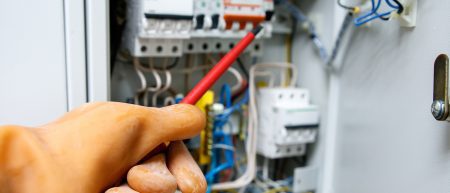
It’s normal for a breaker to trip now and then if you’re running too many energy-demanding devices at once. However, if you find yourself regularly trekking to the breaker panel to reset switches, it’s a sign that something may be off with your home’s electrical distribution. Causes can include:
- Inadequate Circuit Capacity: The home builder may not have anticipated your appliance usage.
- Loose Wiring in Breaker Panel: Poor connections can cause hotspots and frequent tripping.
- Defective Breakers: Occasionally, a breaker itself is faulty and needs replacement.
Don’t ignore repeated breaker trips. Over time, this can lead to more serious safety concerns.
Dead Outlets or Inconsistent Power Supply
In a newly built home, every outlet should work correctly from day one. When some outlets fail to deliver power or exhibit intermittent functionality, it’s easy to feel frustrated. Potential reasons include:
- Loose Outlet Connections: Sometimes the wiring behind the outlet isn’t tightened or secured properly.
- Backstabbed Wiring: In a rush, electricians might use the quick “backstab” method of connecting wires, which can lead to poor contact over time.
- GFCI or AFCI Outlet Issues: Modern codes require specialized outlets to prevent shocks and fires. A malfunctioning GFCI or AFCI may cut power even without a real hazard.
Don’t worry, we can pinpoint the cause and ensure your outlets are safe and fully functional.
Overheating Light Fixtures
If you notice that your recessed lights or light fixtures become excessively hot, it could be an indication that the wrong type of bulb was used or the fixture wasn’t installed according to its specifications. Overheating fixtures pose a fire risk and should be inspected promptly. Potential issues include:
- Incorrect Bulb Wattage: Using a bulb with higher wattage than recommended can cause overheating.
- Improper Insulation Around Fixtures: In attic or ceiling installations, insufficient clearance or improper insulation can trap heat.
- Substandard Fixture Installation: Poor workmanship can lead to components that don’t dissipate heat correctly.
Addressing these concerns early keeps your home safe from potential fire hazards.
Unlabeled or Poorly Organized Electrical Panels
Your home’s electrical panel should be a tidy roadmap to your circuits. However, new homeowners may discover unlabeled breakers or a cluttered, confusing layout. This complicates troubleshooting and makes managing household circuits more stressful than necessary. Common issues include:
- Lack of Proper Labeling: Without clear labels, it’s hard to identify which breaker controls what area of the home.
- Chaotic Wire Management: A messy panel may signal rushed or careless installation work.
- Unused or Blank Breakers: Leftover blanks might not be harmful, but they can indicate incomplete planning.
Contact Us Today
Don’t let electrical issues tarnish the joy of your new home. C&S Electric of Louisburg is here to help. Our licensed professionals proudly serve homeowners throughout Granville County (Creedmoor), Franklin County (Louisburg, Franklinton), Wake County (Wake Forest, North Raleigh, Knightdale, Wendell, Zebulon), and Nash County, NC. We’re committed to providing clear guidance, quality workmanship, and lasting solutions so that your new home feels truly “new” in every way. We provide premier residential electrical, and commercial electrical services in North Carolina.
Ready to get started? Fill out the form below or give us a call at (919) 729-4349. Our team will evaluate your home’s electrical system, recommend the best course of action, and put your mind at ease. Your comfort, safety, and satisfaction are our top priorities.