
As a parent, creating a safe environment for your child is a top priority. While baby gates and cabinet locks are common safety measures, many parents overlook one of the most dangerous areas in the home: the electrical system. Curious little ones are naturally drawn to outlets, cords, and devices, but these can pose serious risks if not properly secured.
Childproofing your home’s electrical system is an essential step in keeping your family safe. Here’s a guide to help you identify potential hazards and implement effective solutions.
Why Childproofing Your Electrical System Matters
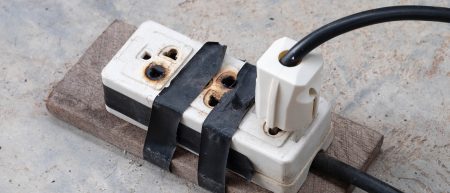
Electrical injuries, such as shocks and burns, are more common than you might think, particularly among young children. Everyday household items like outlets, power strips, and electrical cords can become serious hazards.
Key Risks to Address:
- Outlets: Tiny fingers or objects can easily be inserted into unprotected outlets.
- Cords: Children may chew on cords or pull on them, causing appliances to fall.
- Electrical Devices: Appliances like space heaters or irons can cause burns if left within reach.
- Overloaded Circuits: Excessive use of outlets can lead to overheating or fires.
The good news is that with a few proactive steps, you can minimize these risks and create a safe home for your little ones.
1. Use Outlet Covers and Plates
Outlets are one of the most accessible parts of your electrical system for curious toddlers.
Solutions:
- Outlet Plug Covers: These inexpensive plastic plugs fit directly into unused outlets, making it difficult for children to insert objects.
- Tamper-Resistant Receptacles (TRRs): Upgrade to outlets with built-in safety features that block access unless a proper plug is inserted. TRRs are now standard in new homes but can be installed in older homes as well.
- Sliding Outlet Covers: These automatically cover the outlet when not in use, providing an additional layer of protection.
2. Manage Electrical Cords
Cords present a double risk: they can be a choking hazard or cause injuries if children tug on them.
Solutions:
- Cord Shorteners: Use cord shorteners or wind excess cord length to keep them out of reach.
- Cord Clips or Organizers: Secure cords to walls or furniture to prevent them from dangling.
- Chew-Resistant Covers: If you have a teething toddler, invest in protective covers for cords to prevent chewing.
3. Childproof Power Strips and Extension Cords
Power strips and extension cords can be particularly tempting for small hands.
Solutions:
- Power Strip Covers: These enclosures prevent access to unused outlets on power strips.
- Cord Concealers: Use cord covers to hide and secure extension cords along walls or baseboards.
- Avoid Overloading: Plugging too many devices into one strip can lead to overheating and fires. Distribute devices across different outlets or circuits.
4. Be Mindful of Electrical Devices
Appliances like space heaters, irons, and toasters can cause burns or shocks if left within reach of children.
Solutions:
- Unplug When Not in Use: Always unplug small appliances when you’re done using them.
- Use Safety Gates: Block off areas with high-risk appliances, such as the kitchen or laundry room.
- Choose Devices with Automatic Shutoff: Look for appliances with built-in safety features that turn off when not in use.
5. Secure Your Home’s Electrical Panel
The electrical panel, while often out of sight, can pose a significant risk if children gain access.
Solutions:
- Install a Lock: Use a childproof lock or latch to secure the electrical panel.
- Keep It Out of Reach: Ensure the panel is in a location that children cannot easily access. This means not having a chair or stool left nearby.
6. Teach Basic Electrical Safety
As your children grow, teaching them about electrical safety is one of the best preventative measures.
What to Teach:
- Don’t Touch Outlets or Cords: Reinforce that outlets and cords are not toys.
- Stay Away from Water and Electricity: Explain the dangers of using electrical devices near water.
- Alert an Adult: Encourage children to tell an adult if they notice something unusual, like a buzzing sound or a sparking outlet.
7. Schedule a Professional Electrical Inspection
While many childproofing measures can be done yourself, a professional inspection ensures your home’s electrical system is up to code and free of hidden hazards.
Benefits of an Inspection:
- Identify Outdated Wiring: Older systems may need upgrades to handle modern demands safely.
- Ensure Proper Grounding: Grounding helps protect against electrical shocks.
- Spot Potential Risks: Loose outlets, damaged cords, or overloaded circuits can be addressed before they become major problems.
Partner With Louisburg Electrician for a Safer Home
Your child’s safety is worth every precaution. At Louisburg Electrician, we specialize in helping parents create homes that are as safe as they are comfortable. From installing tamper-resistant outlets to inspecting your entire electrical system, our licensed electricians are here to help you.
Contact Us Today
Don’t let electrical issues tarnish the joy of your new home. C&S Electric of Louisburg is here to help. Our licensed professionals proudly serve homeowners throughout Granville County (Creedmoor), Franklin County (Louisburg, Franklinton), Wake County (Wake Forest, North Raleigh, Knightdale, Wendell, Zebulon), and Nash County, NC. We’re committed to providing clear guidance, quality workmanship, and lasting solutions so that your new home feels truly “new” in every way. We offer residential electrical services, business electrical services, and more.
Ready to get started? Fill out the form below or give us a call at (919) 729-4349. Our team will evaluate your home’s electrical system, recommend the best course of action, and put your mind at ease. Your comfort, safety, and satisfaction are our top priorities.